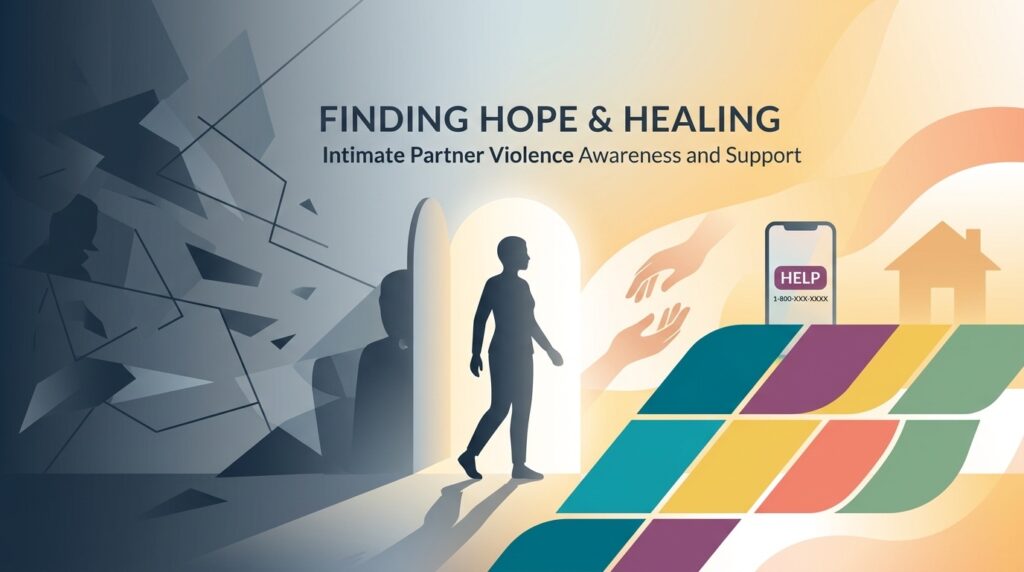
Intimate partner violence (IPV) affects people of every background, income level, and community. It’s not limited to physical abuse. IPV includes emotional manipulation, financial control, threats, stalking, and sexual coercion.
Understanding the warning signs is the first step toward getting help, whether for yourself or someone you care about.
Warning Signs to Watch For
IPV often starts subtly. A partner who monitors your phone constantly. Someone who isolates you from friends and family. Financial control that leaves you dependent. Unpredictable anger that keeps you walking on eggshells.
These behaviors tend to escalate over time. What starts as possessiveness can become physical violence. The pattern is well-documented, and recognizing it early matters.
The Health Connection
IPV is a public health issue, not just a criminal justice one. Survivors experience higher rates of chronic pain, depression, anxiety, PTSD, substance use, and reproductive health complications. The health effects often persist long after the relationship ends.
That’s why Five Health includes IPV education in our public health programming. Addressing health outcomes without addressing the violence that contributes to them isn’t effective.
Getting Help
If you’re in immediate danger, call 911. For ongoing support, the National Domestic Violence Hotline (1-800-799-7233) provides confidential help 24/7. You can also text START to 88788.
Five Health’s resource navigators can connect you with local shelters, legal aid, and counseling services. You don’t have to have a plan figured out before you reach out. That’s what support is for.
|
If you or someone you know needs help, call the National DV Hotline: 1-800-799-7233 |